.png)
Glaucoma in Women: The Silent Vision Thief You Can’t Afford to Miss

Glaucoma in Women: The Silent Vision Thief You Can’t Afford to Miss
Most people with glaucoma don’t know they have it—until vision loss has already occurred.
That’s what makes glaucoma so dangerous. It’s often called the “silent thief of sight” because it progresses slowly, without pain, and without obvious early symptoms.
And when it comes to glaucoma in women, the risk is even more significant.
As a neuro-ophthalmologist, I want you to understand not just what glaucoma is—but how to protect your optic nerve before irreversible damage occurs.

What Is Glaucoma?
Glaucoma is a group of eye diseases that damage the optic nerve, often due to increased eye pressure or reduced blood flow.
The optic nerve connects your eye to your brain. When it becomes damaged:
Retinal ganglion cells degenerate
The optic nerve becomes cupped
Peripheral vision is lost first
Vision loss is permanent
Why Glaucoma Is More Common in Women
Understanding why glaucoma risk is higher in women is key to prevention.
1. Age and Longevity
Age is the strongest risk factor for glaucoma.
Women live longer on average → greater lifetime exposure → higher risk.
2. Hormonal Changes After Menopause
Estrogen has protective effects on the optic nerve.
After menopause:
Estrogen declines
Neuroprotection decreases
Susceptibility to damage increases
3. Vascular Dysregulation (A Critical Factor Most People Miss)
This is where most traditional explanations fall short.
Women with:
Migraine
Cold hands/feet (Raynaud’s)
Low blood pressure
…may have reduced blood flow to the optic nerve.
This is especially relevant in normal-tension glaucoma.
4. Inflammation and Autoimmune Disease
Women are more likely to have autoimmune conditions.
Chronic inflammation may:
Impair circulation
Increase oxidative stress
Make the optic nerve more vulnerable
What Are the Early Signs of Glaucoma?
The most important thing to know: glaucoma usually has no early symptoms.
As it progresses:
Peripheral (side) vision gradually decreases
You may not notice changes until advanced stages
Vision loss is irreversible
This is why glaucoma is often diagnosed too late.
Can You Have Glaucoma with Normal Eye Pressure?
Yes, this is called normal-tension glaucoma.
In these cases:
Eye pressure is within normal range
Optic nerve damage still occurs
Blood flow and vascular factors play a major role
This is especially important in women.
Quick Answers: Glaucoma in Women
What is glaucoma?Glaucoma is a disease that damages the optic nerve, often due to high eye pressure or reduced blood flow, leading to permanent vision loss.
Why are women at higher risk for glaucoma?Women are at higher risk due to longer lifespan, hormonal changes after menopause, and vascular factors that affect optic nerve blood flow.
What are the early signs of glaucoma?Glaucoma usually has no early symptoms. As it progresses, it causes gradual loss of peripheral vision.
Can glaucoma occur with normal eye pressure?Yes. Normal-tension glaucoma occurs when optic nerve damage happens despite normal eye pressure.
How can you prevent glaucoma progression?
Early detection, lowering eye pressure, improving blood flow, and reducing inflammation are key strategies.

How to Protect the Optic Nerve (Integrative Approach)
Most glaucoma care focuses on lowering eye pressure.
That’s important—but it’s not enough.
To truly protect your vision, we need to support the optic nerve itself.
1. Improve Blood Flow to the Eye
Healthy circulation is critical for optic nerve function.
What helps:
Regular aerobic exercise
Nitric oxide–rich foods:
Spinach
Arugula
Beets
2. Support Mitochondrial Function
The optic nerve is highly energy-dependent.
Emerging research shows mitochondrial dysfunction plays a role in glaucoma.
Key nutrients:
Nicotinamide (Vitamin B3)
CoQ10

3. Reduce Inflammation Through Diet
Chronic inflammation contributes to optic nerve damage.
Focus on:
Mediterranean or plant-forward diet
Berries (anthocyanins → neuroprotection + cognition)
Omega-3 fatty acids
Limit:
Ultra-processed foods
Refined sugars
Excess red meat
4. Optimize Sleep and Nighttime Eye Pressure
Eye pressure can rise at night.
Simple strategies:
Avoid sleeping face-down
Avoid sleeping with your eye pressed against the pillow
Elevate your head slightly
Screen for sleep apnea if needed
Hydrate before bedtime
5. Support Whole-Body Health
Glaucoma is not just an eye disease.
It is linked to:
Cardiovascular health
Blood pressure regulation
Metabolic health
Early Detection: Your Best Defense Against Glaucoma
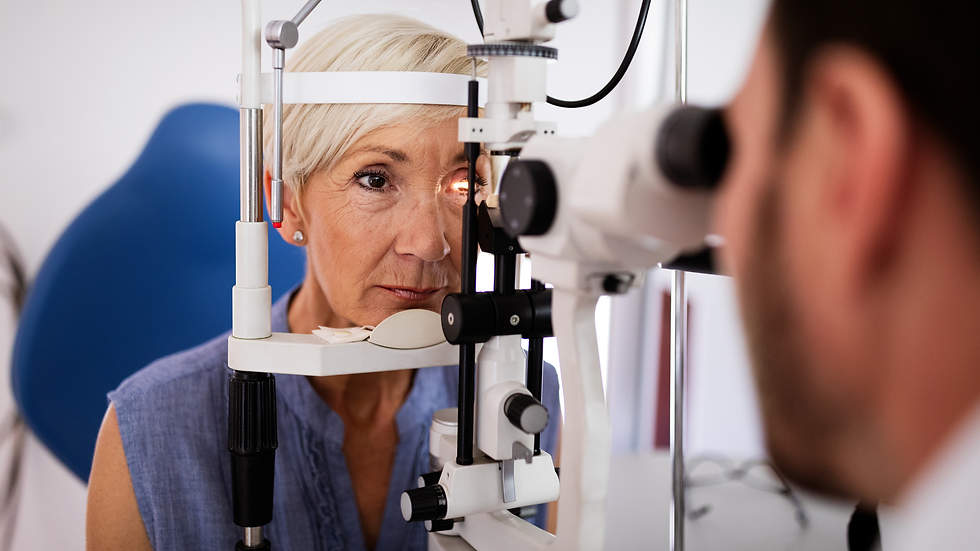
Because glaucoma is silent, routine eye exams are essential.
Screening includes:
Eye pressure measurement
Optic nerve evaluation
Visual field testing
OCT imaging
Optic disc photographs
If you are over 40, especially a woman, regular screening is critical.
A Targeted Approach to Supporting Optic Nerve Health
In addition to lifestyle strategies, targeted nutritional support can help address:
Oxidative stress
Circulation
Mitochondrial health
I formulated FORTIFY to support both retinal and optic nerve health with:
Lutein, zeaxanthin, meso-zeaxanthin
Astaxanthin
Ginkgo biloba (supports blood flow)
Polyphenols and antioxidants

FAQs About Glaucoma
Is glaucoma hereditary?
Yes. A family history of glaucoma significantly increases your risk.
Can glaucoma be reversed?
No. Vision loss from glaucoma is permanent, but progression can be slowed or prevented.
Does exercise help glaucoma?
Yes. Regular aerobic exercise can lower eye pressure and improve blood flow.
What foods help prevent glaucoma?
Leafy greens, berries, and nitrate-rich vegetables support blood flow and optic nerve health.
Final Thoughts
Glaucoma is not just about eye pressure—it’s a neurodegenerative disease of the optic nerve.
And for women, understanding the role of:
Hormones
Blood flow
Inflammation
…can make all the difference.
With early detection and a comprehensive approach, you can take control of your eye health, be proactive, and protect your vision for years to come.
Dr. Rani (Rudrani) Banik, MD
America’s Integrative Eye Doctor


Comments